
Skip to content
, ,

Media Coverage and the Political Economy of Black Death
·

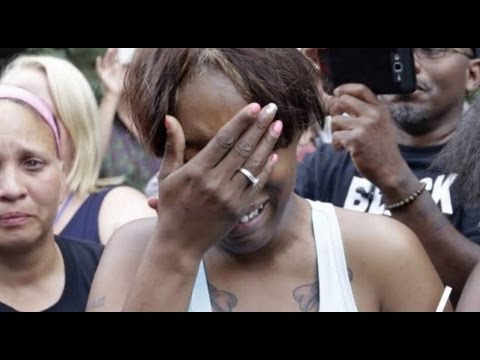
Dr. Safiya Umoja Noble joined us again to discuss how her work on the political economy of the internet is playing out in current media coverage of the deaths of Black people.  Money and audience are generated for a variety of media and their political and commercial sponsors but little is said of the trauma and political stagnation imposed upon affected Black communities, audiences and activists.

Hear here our previous interview “Surveillance Literacy:” The Political Economy of the Internet and Black Death

Media Coverage and the Political Economy of Black Death
DOWNLOAD NEW SPEAKER BROCHURE!
  1. […] Other challenges are informational and access-related: What right do the people and the press have to see and circulate images of significant events? What ethical guidelines govern the use of these images in news, in entertainment, in the social sphere? Zapruder sold first-publication rights to his film to LIFE for a hefty sum, but stipulated that frame 313, which showed the moment of the bullet’s impact, should not appear in print when the magazine ran its feature on the assassination the week of November 29. Originally printed in black and white, the images were reproduced in color in a special “JFK memorial edition” one week later, and in three more issues that followed over the next two years, creating multiple versions of the sequence to haunt the visual imagination of the public. LIFE’s registration of the published images for copyright protection in 1967 led to multiple civil lawsuits, and to long-running debates over the applicability of fair use doctrine and ownership of the original film—not to mention widespread public dismay over the airing of the assassination images on broadcast television in 1975. We continue to struggle now with discussions of what images we may see and what images we might not want to see—and with the morality of sharing those images, or profiting from violent death as spectacle. […]

  2. […] will not be evenly distributed (a degree maybe finest made by Safiya Noble and her work on the trauma and exploitation of violence in opposition to black our bodies by way of on-line video). And Zuckerberg seems to be […]

  3. […] world are not evenly distributed (a point perhaps best made by Safiya Noble and her work on the trauma and exploitation of violence against black bodies through online video). And Zuckerberg appears to be either blind […]

  4. […] “Media Coverage and the Political Economy of Black Death” – Dr. Safiya Umoja Noble in conversation with Dr. Jared A. Ball […]

Leave a Reply

Your email address will not be published. Required fields are marked *